
High-risk MCC classification drives scheme fees, reserves, and decline rates. Comparing published fee ranges, the gap between cheapest and most expensive rail runs 3-5x before chargebacks. Outside of work Davide is likes to plan exotic travels and enjoys several sports and activities — including football (soccer), skiing, running, and hiking.
CriterionTraditional systemBlockchain solutionsSpeedFrom several hours to 5-7 daysVirtually instantaneousCommissionsUp to 10Depends on the choice of transfer network, plus the provider’s commission. It is one of the leaders in providing comprehensive blockchain-based payment solutions specifically for iGaming companies. Blockchain technologies offer a solution to these problems (providing instant transactions), minimal costs, and global accessibility. After months of clean processing history with low chargeback ratios, you can negotiate reduction , from 10% to 5%, or shorter hold periods (180 days to 90 days). Your written policies for customer verification, transaction monitoring, and suspicious activity reporting.
Visa VAMP and Mastercard decline fees make cards more expensive specifically for iGaming. AGLC registered 30 private operators by launch day and 39 by November 7 — 2026. New Zealand’s license auction closed on October 12, 2026, with 11 bidders winning the right to apply for 15 online casino licenses. Sports betting and online casino in Brazil since September 25, 2026, on every payment rail Germany leads with 59, France 31, the Netherlands 28.
For operators considering their banking setup, opening accounts for iGaming in jurisdictions like Hong Kong offers specific structural advantages worth understanding. Cards remain reliable but carry high-risk profiles, while open banking and crypto offer lower fees and zero chargebacks but introduce their own compliance requirements. “iGaming operators face chargeback rates around 0.83% and decline rates above 13% (driven by bonus abuse), friendly fraud, and deposit-withdraw cycling behaviors that standard acquirers are not built to handle.”
Can international payment gateways be used for iGaming in India?
Among the primary operational difficulties and pain points for iGaming operators on platforms are challenges related to payment processing delays (issues with player retention), technical scalability hurdles, risks of fraud, and problems with regulatory compliance. We provide high-quality turnkey solutions for online casinos (sportsbooks), lottery software, and prediction market platforms. Effective management of various components (such as security), payment methods for online casinos, and the delivery of game content, is essential for iGaming operations.
Trends and Forecasts for 2025: The Evolution of Payments in the iGaming Industry
A brief overview reveals four critical areas where mistakes can significantly affect revenue (player retention), and the stability of accounts. Gaming players frequently utilize e-wallets like PayPal (Skrill), and Neteller, especially in regions where direct card transactions encounter higher rates of rejection. Typically (dedicated merchant accounts are offered by direct processors to gaming operators), ensuring that your account is not grouped with those of other businesses.
When a payout rail fails — or a fraud flag triggers a processing hold at 2 am on a Saturday, operators need a person, not a help how white-label payment gateways work article. Finix holds a 4.7 out of 5 overall rating on Capterra, with a 4.8 out of 5 for customer service specifically. Non-technical teams frequently struggle to get timely answers when payment issues arise. Some of the most capable processors on the market are built primarily for technical teams. A payment gateway for online casino operators needs to cover this full range — not just cards.
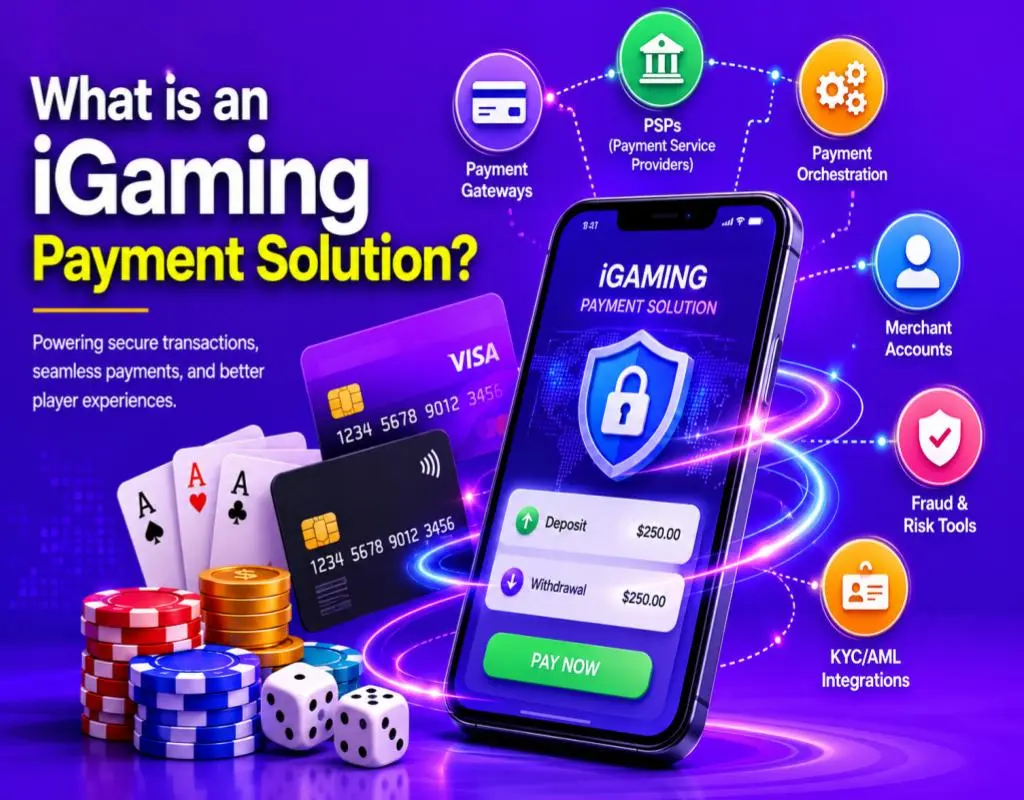
An unreliable or slow gateway may result in failed deposits, abandoned sessions, and an overall diminished experience for players. This generally includes a payment processor — a payment gateway, and various supporting services such as fraud monitoring, Know Your Customer (KYC) verification, and payout mechanisms. Payment solutions in iGaming consist of the tools and services that gaming platforms utilize to manage player deposits and withdrawals. An improper setup can result in account instability, an increased risk of chargebacks, unsuccessful transactions, and a negative player experience.
Keep the chargeback ratio low, because acquirers tighten approval rules on merchants that sit near the scheme lines. In the US (state-licensed online casinos and sportsbooks use MCC 7801 and licensed horse and dog racing uses 7802), once the acquirer registers the merchant with the card scheme. Stripe lists gambling among its prohibited businesses and offers no path for licensed operators. Mexico (Colombia and Peru run on local rails), with SPEI, PSE and Yape leading deposits.
Most banks limit their gambling exposure to single-digit percentages of their total portfolio. Use risk-based authentication, implement 3D Secure, offer one-click payments for returning users, and continuously test and optimize your payment flow. Partner with payment providers offering competitive forex rates (consider implementing local payment methods in key markets), and explore the use of payment orchestration platforms. Players expect a wide range of payment options, including traditional methods like credit cards and bank transfers, as well as newer options like e-wallets and cryptocurrencies. India is a market where the payment infrastructure works fine for most industries and specifically breaks down for gambling. India gets grouped with other large emerging markets, but the payment situation is specific to India.
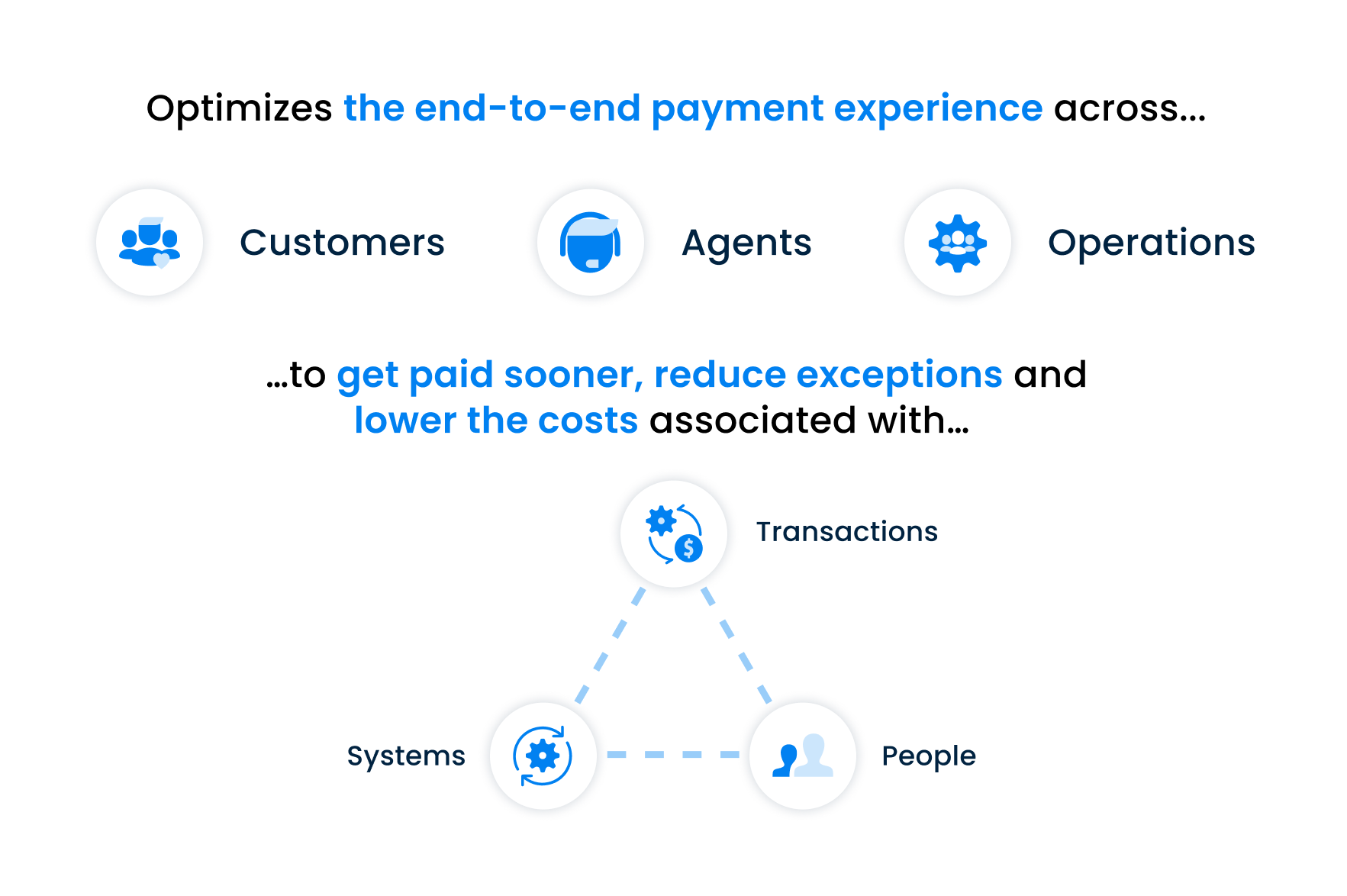
Players desire immediate access to their deposits — and any delays in fund availability can lead to reduced engagement and betting activity. High-risk flags often lead to deposit rejections for many transactions, frustrating players and causing a decrease in betting volume. Simultaneously, the efficiency of payouts is vital for player satisfaction; delays or limited options for withdrawals can harm trust and lead to customer attrition.
Regional Revenue Distribution
Most acquirers tend to automatically decline applicants listed on the MATCH list. The ratio includes both fraud reports (TC40) and disputes (TC15) against completed transactions. For a monthly volume of $500K, the additional cost over standard e-commerce processing may be approximately $15K-40K in direct fees and $30K-300K in frozen rolling reserves. Orchestrators such as Corefy (IXOPAY), or Finera automatically manage routing between acquirers. These services alert you when a cardholder raises a dispute before a formal chargeback occurs. In cases where a mid-contract switch is unavoidable, the PSP migration runbook outlines a cutover period of 90 to 180 days.
Clear interchange-plus pricing enhances the accuracy of financial reporting, which is important for demonstrating financial controls to banking partners. Collaborating with a processor that provides flexible payout timing—starting with next-day options and including same-day and instant choices based on player expectations—serves as the most straightforward solution. Operators gain real-time insights into transaction flows (performance), and financial data through automated reconciliation and comprehensive reporting.

On July 29, 2026, the Online Gaming Authority of India (OGAI) instructed banks, app stores, telecom companies, and streaming platforms to cease payments, access, and advertisements for online money games. Japanese banks (card issuers), crypto exchanges, and wallet companies halt detected online casino payments. The legality, tolerance, or danger of a market determines which payment methods and strategies are effective there. Each nation has distinct regulations (unique payment rails), and varying legal statuses. Engaging in markets where online gambling is prohibited poses substantial legal and financial risks.